
The transition towards renewable energy is increasingly being driven by economic and strategic
considerations.
Clean electricity can help countries reduce their exposure to international fuel-price fluctuations.
It can also improve energy security by allowing electricity to be generated from locally available
resources such as sunlight, wind and water.
Renewable energy development can support new industries, technical employment,
manufacturing, infrastructure investment and technological innovation.
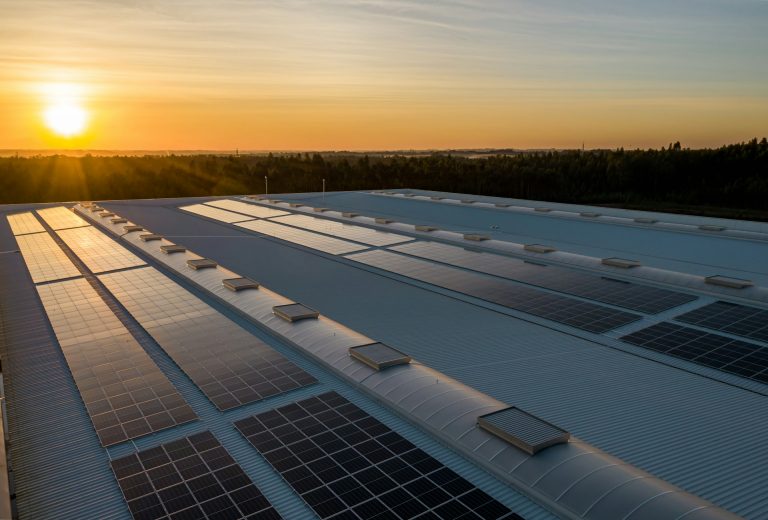
For businesses, generating electricity through an on-site solar system can reduce dependence on
future electricity tariff increases. It may also improve cost predictability, particularly for
companies with substantial daytime power consumption.
What Does This Growth Mean for Pakistan?
The rapid expansion of renewable electricity carries an important message for Pakistan. The
global energy system is moving towards cleaner, decentralised and increasingly electrified
solutions.
Pakistan has a strong opportunity to benefit from this transition, particularly through solar
energy. Residential, commercial, industrial and agricultural properties can use rooftop or ground-
mounted solar systems to generate electricity close to where it is consumed.
For homeowners, solar energy can help reduce reliance on the national grid and provide greater
control over monthly electricity expenses.
For businesses, factories and warehouses, solar power can offset daytime electricity
consumption, improve operational cost planning and support long-term sustainability goals.
For agricultural users, solar energy can support water pumping, cold storage and other essential
operations in areas where reliable electricity access may be limited.
However, installing a large number of solar panels does not automatically guarantee strong
performance or financial savings. A successful system requires an accurate analysis of electricity
consumption, a professional site assessment, reliable solar panels, a correctly sized inverter and
safe electrical protection.
The system must also include a durable mounting structure, appropriate battery storage where
required, professional installation and dependable after-sales support.
Energy Storage Will Become Increasingly Important
As the share of solar and wind electricity increases, energy storage will become a more important
part of modern power systems.
Solar panels generate electricity during daylight hours, while energy demand often continues
after sunset. Battery energy storage can store excess solar electricity and make it available when
solar production decreases or grid power becomes unavailable.
At the household level, batteries can support essential appliances and electrical loads during
power outages.
At the commercial and industrial level, properly designed storage systems can improve energy
management, provide backup power and allow businesses to use a larger portion of the
electricity generated by their solar systems.
At the national level, larger energy-storage projects can support grid stability and enable the
integration of greater amounts of variable renewable energy.
The Transition Must Be Inclusive
The latest renewable energy figures represent meaningful progress, but substantial differences
remain between countries and regions.
Some markets are installing renewable energy systems at record speed, while others continue to
face high financing costs, limited grid infrastructure, policy uncertainty and restricted access to
modern technology.
For the global transition to succeed, developing countries will require greater access to
affordable financing, technical expertise, modern equipment and supportive energy policies.
Pakistan can benefit by encouraging investment in renewable power, strengthening grid
infrastructure, improving equipment and installation standards, supporting energy-storage
development and making clean-energy financing more accessible to households and businesses.