
- HubSalt says project will help curb 360,000 liters of diesel annually, strengthening forex reserves
- Deal involves installation of 1.44 MW solar photovoltaic system with 2.35 MWh battery storage system
ISLAMABAD: Pakistani industrial salt producer HubSalt has signed what it described as a “landmark” agreement with China’s LIVOLTEK to install a hybrid solar and battery storage system aimed at reducing diesel consumption, lowering carbon emissions and easing pressure on Pakistan’s foreign exchange reserves through lower fuel imports.
LIVOLTEK is a Chinese renewable energy manufacturer that delivers tailored energy solutions in over 110 countries worldwide. HubSalt, established in 1986, is a leading salt manufacturing company in Pakistan.
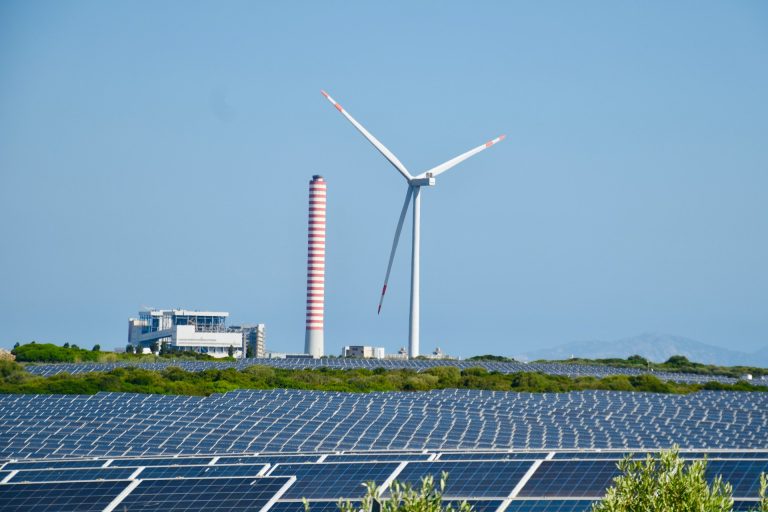
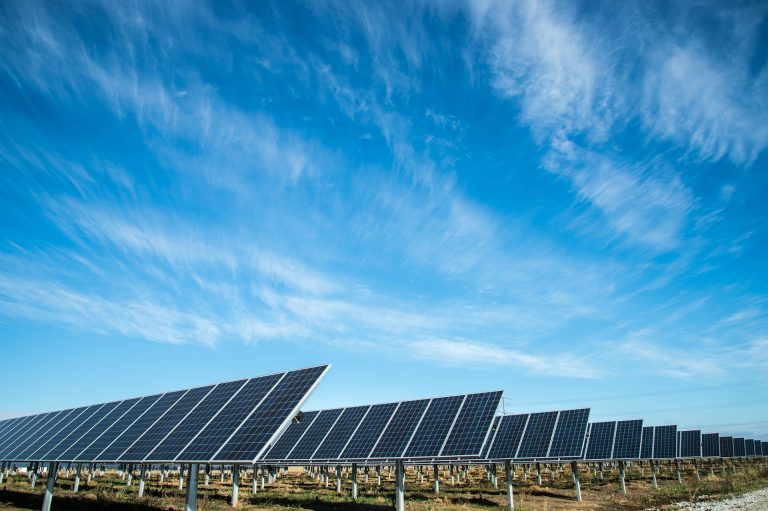
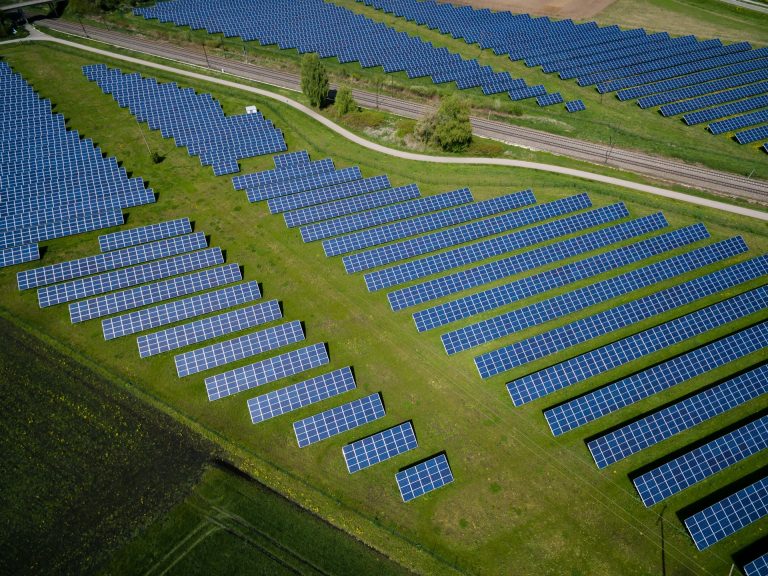
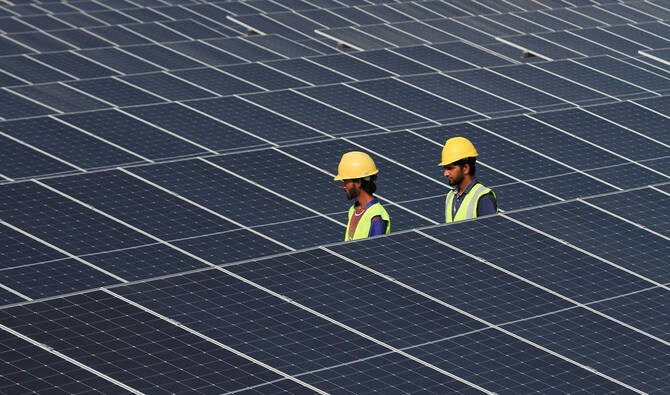
The deal involves the installation of a 1.44 MW solar photovoltaic (PV) system integrated with a 2.35 MWh battery energy storage system (BESS) at HubSalt’s facility, the salt manufacturer said in a press release. The deal was signed in the presence of LIVOLTEK’s Asia Pacific Director Max Ma and HubSalt CEO Ismail Suttar.
“Previously operating entirely off-grid on diesel generators, HubSalt will transition to a hybrid energy model,” the salt manufacturer said.
“The company estimates the project will displace approximately 360,000 liters of diesel annually, contributing to import substitution and easing pressure on the country’s foreign exchange reserves.”
It said the engineering, procurement and construction contract for the system has been awarded to Optimizen Pvt Ltd, which is spearheading the project in collaboration with its Chinese technology partner, LIVOLTEK.
Suttar termed the project a “transformative step” for the company and a benchmark for the wider industrial sector.
“By integrating advanced renewable technologies, we are not only improving our operational resilience but also setting a benchmark for clean energy adoption in Pakistan’s industrial sector,” Suttar said at the ceremony.
The company said that the environmental impact of the system is also significant, with the project expected to offset more than 2,000 tons of carbon dioxide emissions annually. It said this was equivalent to planting over 90,000 trees each year.
“The initiative may also enable HubSalt to participate in global carbon markets through the generation of verified carbon credits under internationally recognized standards such as Verra and Gold Standard,” it added.