
The role of renewables in Pakistan’s fuel mix has shifted from negligible to substantial over just a few years, but the country still has not signaled a commitment to the rapid energy transition away from coal that is already under way, a recent report has said.
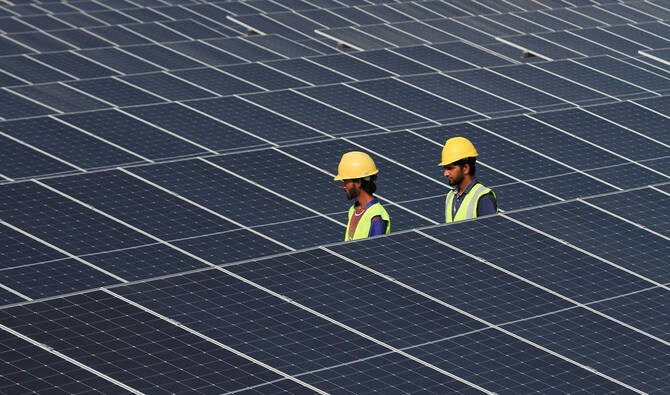
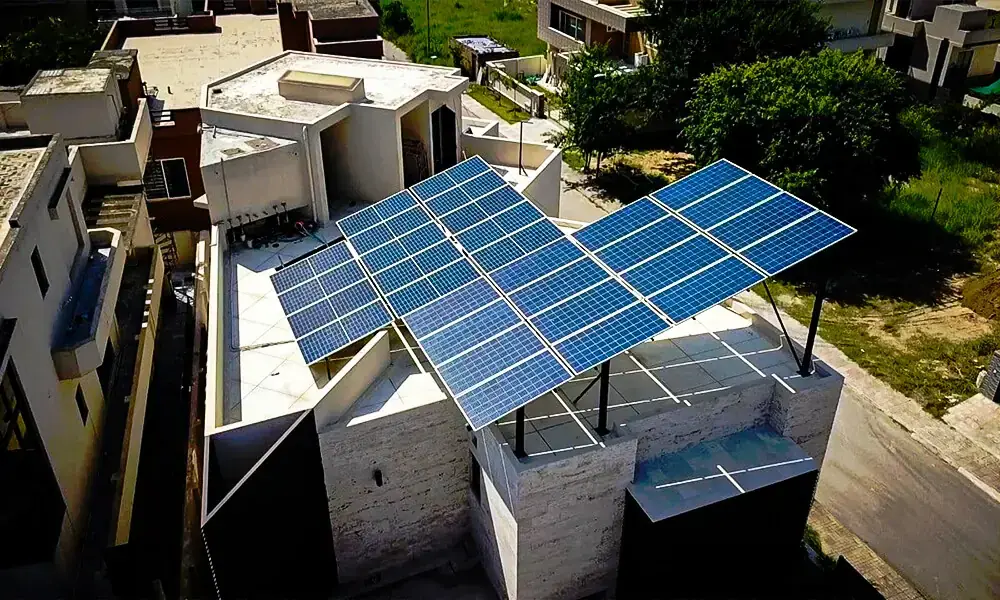
According to Boom and Bust 2026, Global Energy Monitor’s (GEM) definitive report on the global coal fleet now in its eleventh year, Pakistan is seeing a “bottom-up” solar revolution that is destabilising the national grid’s finances.
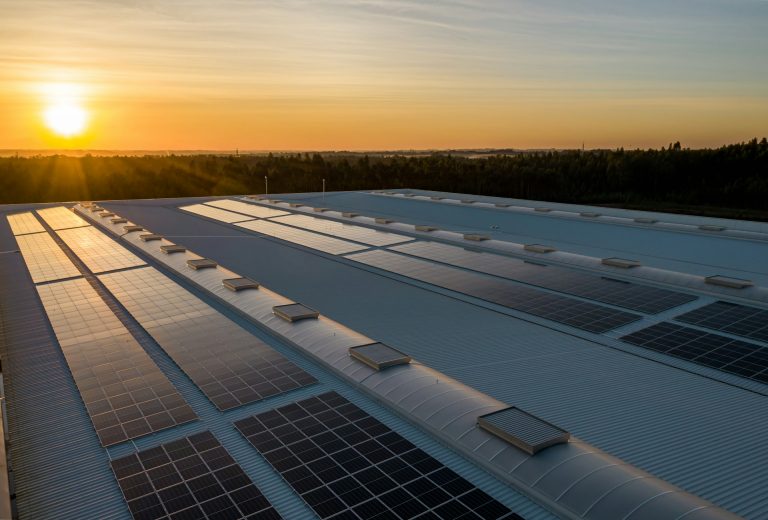
“In 2025, decentralised solar installations boomed in Pakistan, with an estimated 25% of total electricity consumption now coming from solar, the vast majority of which is off-grid,” a press release related to the report said.
“Yet even as solar soars, Pakistan continues to cling to its coal fleet: none of its operating coal plants have a planned retirement date, nor does the country formally recognise the need for coal retirement through its Nationally Determined Contributions.”
Rather, the statement said, there is a continued push for indigenous coal’s role as a cornerstone of energy security for the country.
“For example, independent power producers reliant on coal are seeking extended long-term guarantees that would entrench coal power into the system over the next decade, further crowding out space for lower-cost alternatives.”
Also read: Pakistan’s solar rush unlocked $17-19bn in private investment in 8 years: study
Lucy Hummer, Senior Researcher for Global Energy Monitor’s Global Coal Plant Tracker, said, “The challenge has shifted from ‘keeping the lights on’ to ‘paying for what isn’t used.’ Pakistan is now at the front lines of a global struggle to exit uneconomical coal agreements that the power systems have already begun to outgrow.”
Shaheera Tahir, Head of the Energy Transition Department at the Policy Research Institute for Equitable Development (PRIED), said, “In the wake of war in Iran, Pakistan faces a serious dilemma: either keep the momentum going for distributed solar power or convert coal power plants running on imported fossil fuels to indigenous coal in order to address the war-induced supply constraints”.
“The bad thing is that the government is taking the second route, replacing foreign fossil fuels with local ones, but the good thing is that the people of Pakistan are still installing distributed solar at a rapid pace even when the government has already imposed a 10% tax on the sale of solar panels and created a number of tariff and non-tariff barriers to discourage grid-connected solarisation,” Tahir said.
Source:https://www.brecorder.com/news/40422524